
Are Big Bay Area Concerts Worth the Price Anymore?
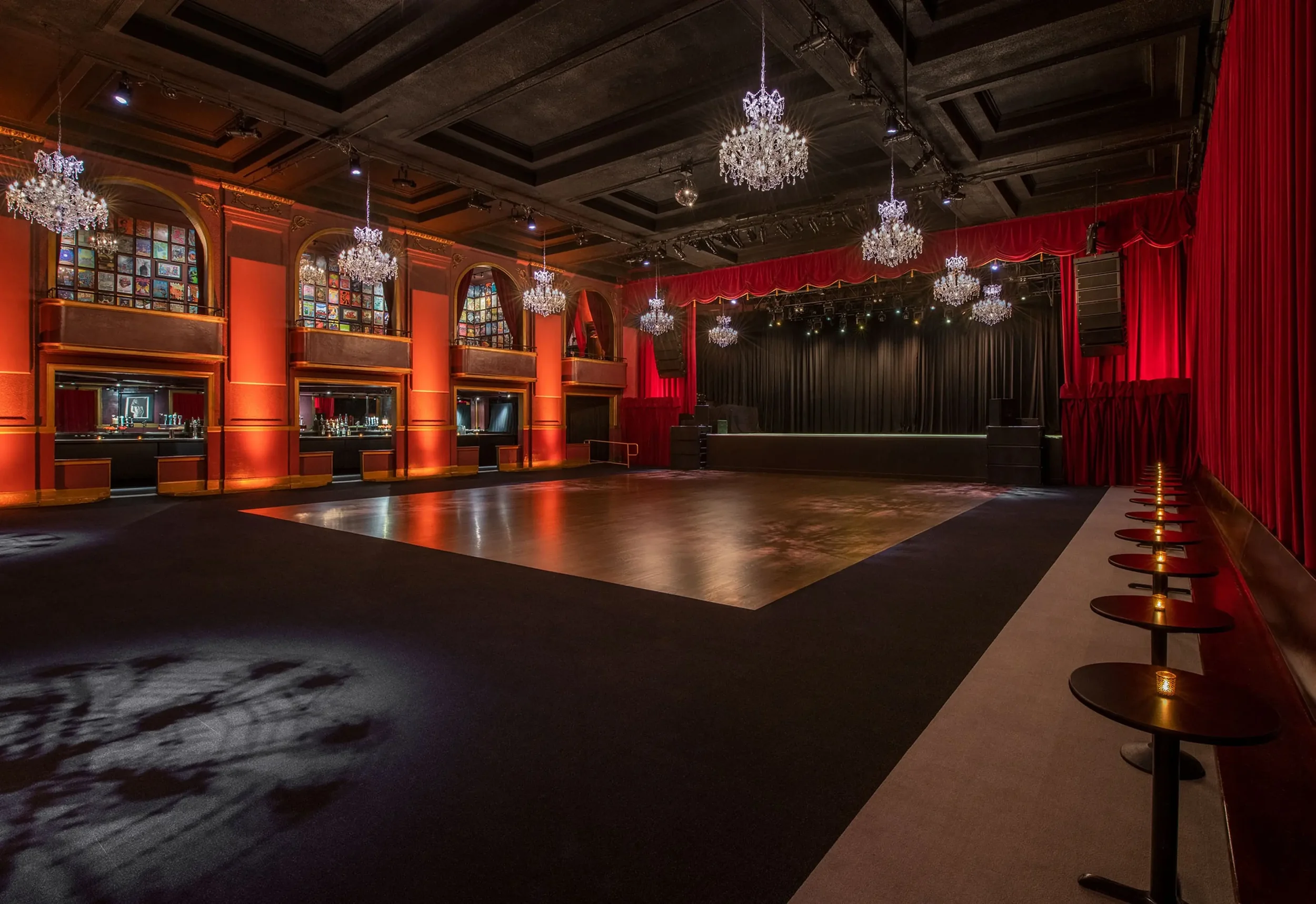
A community member posted a receipt in our forum recently. Two tickets to a major artist at Chase Center, purchased at face value through the official presale: $340. Add two drinks at the venue, a ride-share each way, and dinner beforehand and the evening landed somewhere north of $500 for two people.
The show, by all accounts, was great. This is the central tension in Bay Area concert culture right now. The music is often as good as it has ever been. But the experience around the music — the buying, the fees, the logistics, the cost — has degraded in ways that are starting to affect how people decide what to see and what to skip.
What Has Actually Changed
Ticket prices for major concerts have increased substantially over the past several years, but the headline number is rarely the real number anymore. Dynamic pricing has become standard practice for major tours routed through venues like Chase Center and Shoreline Amphitheatre. The advertised starting price for a show and the price you actually encounter when you go to check out can differ by hundreds of dollars, often within hours of the on-sale.
Service fees, which Ticketmaster and other primary platforms add on top of the base ticket price, typically run between 27 and 35 percent of face value for Bay Area arena and amphitheater shows. On a $100 ticket this is inconvenient. On a $200 ticket it is genuinely significant. Many community members report that the fee reveal at checkout (after you've invested time and emotional energy in getting this far) feels deliberately designed to be difficult to back out of.
Venue costs have followed. Drinks at Chase Center and Shoreline routinely run $18 to $25. Parking near major venues, if you drive, adds another $40 to $60. The cumulative effect is that attending a major Bay Area concert as a casual fan has become a significant financial commitment, not an impulse decision.
The Case That It Is Still Worth It
To be fair to the other side of this conversation: live music at its best is irreplaceable, and the production quality of major tours coming through Bay Area venues in 2026 is genuinely exceptional.
Billie Eilish's production design at Chase Center uses the arena format in ways that smaller venues physically cannot. The synchronization of lighting, sound design, and staging across 18,000 people creates a collective experience that is categorically different from what happens in a 500-person club. For certain artists and certain shows, scale is not a compromise…it’s the whole point.
Several community members make the argument that the right framework is not cost per ticket but cost per memory. By that measure, a $200 arena night that delivers a genuinely transcendent experience can represent better value than a $40 club show that was fine and forgettable. The math doesn't always favor the cheaper option.
There is also a straightforward cultural argument for showing up to major shows even at elevated prices: artists are watching where their audience materializes, and Bay Area attendance shapes future routing decisions. The community showing up enthusiastically for a Chase Center or Shoreline show increases the probability of the Bay Area being on the routing list for the next cycle. Your attendance is partly a vote.
The Case That It Increasingly Isn't
The more compelling thread in our community conversations runs the other direction. The argument isn't just about money — it's about what the money-driven transformation of the live music experience has done to the experience itself.
Dynamic pricing, many members argue, has made concert-going feel less like culture and more like a market. When tickets to see an artist you love are priced based on an algorithm's assessment of your willingness to pay, something in the relationship between fan and artist is implicitly altered. "It starts to feel transactional in a way that music shouldn't," one member wrote. That feeling is hard to quantify but real.
When major concert economics push casual fans toward fewer, bigger events, the mid-tier touring ecosystem that has historically been how new artists build audiences and how fans discover new music gets hollowed out. Several Bay Area clubs have closed in the past few years. The ones that remain are fighting for audience attention against events with marketing budgets that dwarf their entire annual revenue.
And then there is the comparison point that keeps appearing in our threads: the best show I saw last year cost me $22. This is not just nostalgia. It is a genuine observation that the most emotionally resonant live music experiences are not reliably correlated with ticket price, and that chasing the expensive show at the expense of the cheap one involves a real tradeoff in the quality of your concert life.
How Our Community Is Navigating It
Rather than making a binary choice between arena shows and club shows, most experienced Bay Area concert-goers in our community have developed a tiered approach that acknowledges both the appeal and the limitations of major event spending.
One or two major splurges per season, chosen carefully for artists who are genuinely irreplaceable or shows that represent a cultural moment unlikely to repeat. For these, paying the premium is a deliberate decision rather than a default.
A regular rotation of mid-size venue shows at The Fillmore, Fox Theater, and Great American Music Hall, where the ticket price to experience ratio is most consistently favorable. These are the shows that come up most often when community members are asked about their best nights out.
A commitment to free and low-cost programming as a genuine priority rather than a consolation prize. Stern Grove Festival, Illuminate LIVE at Golden Gate Park, and neighborhood music events represent some of the Bay Area's most distinctive live music culture and they cost nothing. Treating them as first-tier options rather than backup plans is a reframe worth making.
Is the major Bay Area concert still worth it? The honest answer is: sometimes yes, sometimes no, and the difference is mostly about knowing which shows justify the investment and which ones you can skip without missing something genuinely irreplaceable. Join the Bay Area Concert Community to get honest, real-time takes from members who can help you make that call before you hit checkout.
