
Dropbox said on Nov 5 that it plans to acquire Tigris Data, a Sunnyvale company that sells object storage built for AI workloads. Dropbox described the deal as planned rather than completed in its announcement post, alongside a new developer product called DBX Agent Cloud. Crunchbase News reported a price of $350 million and said Dropbox told the outlet it would be its largest acquisition since the company was founded in 2007.
For anyone building in the South Bay, the interesting detail is where the target sits. Tigris is headquartered in Sunnyvale, so a San Francisco company that made its name on file sharing is paying for an infrastructure team that lives on the Peninsula side of the bay. This post covers what each company said, what Tigris actually sells, and what the deal suggests for founders who build on cloud storage.
What Dropbox and Tigris announced
Dropbox's own post says the company is moving beyond file storage and sharing and is announcing DBX Agent Cloud together with the planned acquisition of Tigris Data Inc. The post says the object storage offering is S3-compatible and will start as standalone storage, with filesystem and content-processing capabilities planned after that. Tigris published its own note on the deal the same day, written by its CEO Ovais Tariq, and its homepage now carries a banner saying Tigris is joining Dropbox.
Neither company's post states a price, so the $350 million figure comes from Crunchbase News and should be read as that outlet's reporting. Crunchbase also notes that the deal is described as a plan, with no closing date or regulatory detail given. Founders who rely on Tigris today should watch both companies' channels for terms, since a planned acquisition can change before it closes.
What Tigris sells
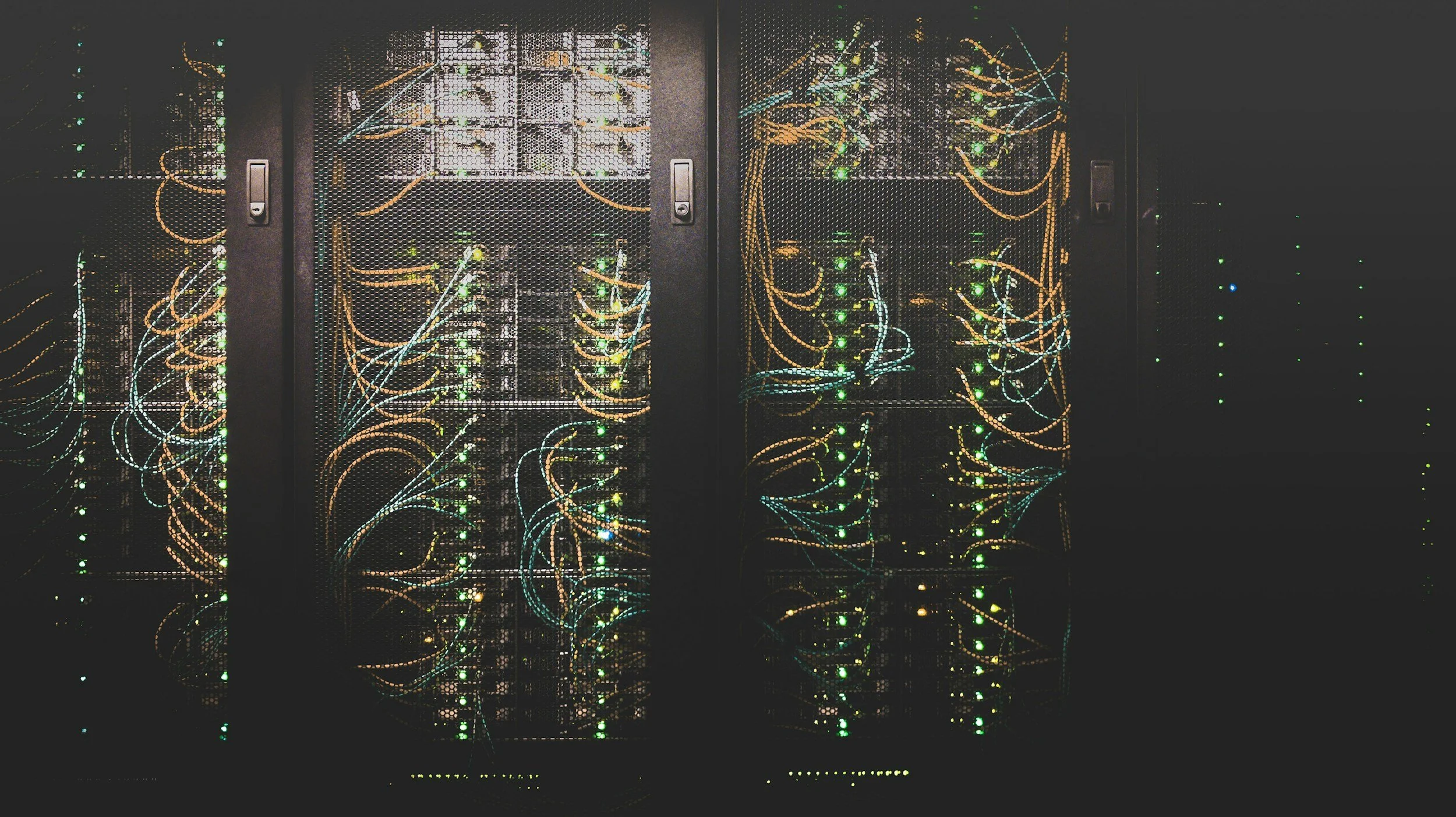
Tigris describes itself as a globally distributed, S3-compatible object storage platform built for AI, with storage that works across clouds and no egress fees, according to its own announcement. Crunchbase says it builds a network of localized storage centers that it claims can serve the distributed compute needs of modern AI workloads. In plain terms, a team can keep training data or model files in one place and read them from whichever cloud its GPUs happen to be rented from.
That cross-cloud angle explains the appeal. Crunchbase quotes Eric Webster, Dropbox's chief business officer, saying Tigris brings a product already in production, an experienced team and relationships with AI developers. The article adds that Tigris was founded by former Uber engineers and has raised about $31.9 million in total per Crunchbase data, including a $25 million Series A in October 2025 led by Spark Capital with participation from Andreessen Horowitz and Basis Set Ventures.
How this fits Dropbox's history of deals
Crunchbase counts 35 known Dropbox acquisitions and says only four happened across 2024 and 2025 combined. Its earlier larger purchases included HelloSign at $230 million in 2019, DocSend at $165 million in 2021 and FormSwift at $95 million in 2022. Against that record, a $350 million deal for a storage startup is a notable change of pace, and Dropbox itself calls the shift significant in its AI strategy.
Dropbox now describes two tracks. One adds AI features to files for the customers it already has, and the other, DBX Agent Cloud, targets developers who need infrastructure for AI applications. Crunchbase frames Tigris as a faster route into that second market than building from scratch, which serves a different audience from file-sharing customers.
What it means for Bay Area founders
If you build AI products, the practical takeaway is that storage is becoming a product category of its own instead of a line item on a cloud bill. Teams that spread workloads across several providers now have a larger vendor with an S3-compatible option aimed at them, assuming the deal closes and the product ships as described. It is worth testing how a service like this prices reads and writes against your own traffic before you commit any large dataset.
For hardware and infrastructure founders, the story pairs with other recent Bay Area news. Our write-up of Zipline's $1.5 billion round covers the hardware side of the money flowing through the region, while the piece on data centers burning old jet engines for AI power looks at the energy behind the same compute boom. Together they show how many layers of the AI stack are being built within a short drive of each other.
Meet the people building this stack in person
Tribe organizes South Bay Renaissance, a community started in August 2026 to rebuild the startup and social scene across Sunnyvale, Mountain View, Palo Alto, Redwood City and the rest of the South Bay and Peninsula one gathering at a time. Infrastructure conversations tend to go deeper in a small room, which is why the AI Infra Dinner in Palo Alto on Sep 30, hosted by Prateek Joshi with 12 to 15 seats, brought infrastructure builders together over dinner. For a current list of what is coming up, see our guide to South Bay founder events in November and the Tribe Events calendar on Luma, where a Tribe of Founders dinner in Sunnyvale is listed for Nov 12.
Find your people
If you want to talk through AI infrastructure news with other builders, the AI Trends Tribe is a group chat for exactly that kind of conversation, with no trolls and no ads. Follow the Tribe Events calendar on Luma to catch the next dinner or demo night, and if you are thinking about hosting your own table, our guide to hosting a founder dinner in the Bay Area walks through the setup.
